
|
Oil Is Driving the Stock Market Bus (For Now)
Over the past few weeks, investors have been watching one thing more than almost anything else: oil prices. Heightened tensions involving Iran and the broader Middle East have pushed oil prices higher, with Brent crude moving toward $100 per barrel as potential disruptions threaten global supply. When oil moves quickly, the entire market tends to react — because energy prices flow through the entire economy. Why Oil Matters So Much to MarketsOil isn’t just another commodity. It’s a core input to the global economy. Higher oil prices ripple through:
When energy costs rise quickly, investors often worry about inflation returning and economic growth slowing. A Reminder: This Type of Pullback Is NormalWe’ve also seen markets pull back modestly during this stretch. A ~5% drawdown may feel uncomfortable, but it’s actually very common. These types of pullbacks happen regularly and are a normal part of investing — the “price of admission” for long-term returns. Short-term volatility, especially around geopolitical events, is not unusual. International Stocks: Strong Year, Tough Couple WeeksInternational stocks have been a bright spot over the past year, outperforming U.S. markets in many cases. But the last week or two has been more challenging. With rising oil prices and closer geographic proximity to the conflict, international markets have felt more pressure. It’s a reminder that leadership can rotate quickly — and areas that have been leading can still face short-term headwinds. The Strait of Hormuz RiskOne reason markets — especially international markets — are reacting so strongly is geography. About 20% of the world’s oil supply flows through the Strait of Hormuz, a narrow shipping lane near Iran. If that corridor is disrupted — even temporarily — oil prices can spike quickly. Regions like Europe tend to be more directly impacted than the U.S., as they rely more heavily on energy flows tied to this route. That’s why geopolitical headlines have been moving markets day-to-day. Why the Market Has Been VolatileRising oil prices create a chain reaction in markets:
We’re seeing that play out in real time as investors reassess inflation and Federal Reserve policy. History Offers Some PerspectiveWhile geopolitical events can cause short-term volatility, markets have historically been resilient. Most Middle East conflicts have not caused lasting damage to global stock markets — unless oil prices remain elevated for a prolonged period. Periods like this are often, though not always, associated with weaker short-term returns. But when underlying fundamentals remain intact, recoveries can come quickly — and sometimes sharply. In other words:
What Investors Should Focus OnPeriods like this reinforce a key principle: Right now, the key drivers to watch are:
Those factors — not daily headlines — shape long-term outcomes. The Bottom LineFor the moment, oil is driving the stock market bus. But history shows that once energy prices stabilize and the geopolitical picture becomes clearer, markets tend to refocus on fundamentals. This can lead to sharp recoveries, though the timing is always uncertain. Trying to time when that shift happens is closer to gambling than long-term investing. What If You Have Cash to Invest?Pullbacks like this can create opportunities — but timing is always uncertain. A common approach is to invest gradually rather than all at once. That way, you’re not overexposed to short-term swings in either direction. If tensions ease quickly, markets can rebound faster than expected. If not, there may be more volatility ahead. As a general rule of thumb:
While the exact bottom is only clear in hindsight, deeper pullbacks have historically created more attractive long-term opportunities. That’s why maintaining a diversified, long-term investment strategy remains the most reliable approach — even when the headlines feel unsettling. Click below to subscribe to our newsletter and download my 2026 High-Earner Cheat Sheet. It breaks down the exact “Order of Operations” for maximizing your 401(k) and Solo 401(k), along with a checklist of key planning numbers to stay ahead this year.
If you don’t have a plan and would like to get one, schedule an Intro Meeting:
Mark Struthers, CFA, CFP®, CEPA, RMA® For current clients looking for a meeting:
This commentary is provided for general information purposes only, should not be construed as investment, tax, or legal advice, and does not constitute an attorney/client relationship. Past performance of any market results is no assurance of future performance. The information contained herein has been obtained from sources deemed reliable, but is not guaranteed. |
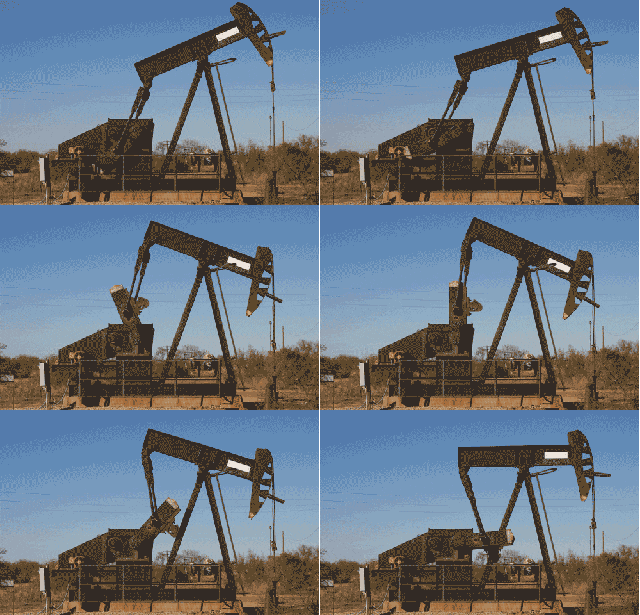
When Oil Moves, Markets React — Why a 5% Pullback Is Normal
Categories
- 401k
- Backdoor Roth
- Bitcoin
- College Funding
- Crypto
- Economics
- Estate Planning
- Featured
- Feel Good
- Financial Planning
- Healthcare
- healthcare
- HSA
- Inflation
- Insurance
- Investing
- IRA
- Mega Backdoor Roth
- Open Enrollment
- Podcast
- Private Equity
- Retire Early
- Retirement
- Roth IRA
- SEPP
- Social Security
- Student Loans
- Taxes
- Traditional IRA
- Uncategorized
Share this post:
If you don’t have a plan and would like to get one, schedule a Discovery Meeting:
To health and wealth!
Mark Struthers, CFA, CFP®, CRC®, RMA®
For current clients looking for a meeting:
This commentary is provided for general information purposes only, should not be construed as investment, tax, or legal advice, and does not constitute an attorney/client relationship. Past performance of any market results is no assurance of future performance. The information contained herein has been obtained from sources deemed reliable, but is not guaranteed.